document.body.classList.add(‘bsp-site’);
.bsp-wrap{max-width:780px;margin:0 auto;padding:0 18px;font-family:’Segoe UI’,’Helvetica Neue’,Arial,sans-serif;color:#333;}
.bsp-wrap h2{color:#1a5276;font-size:1.4em;margin-top:28px;}
.bsp-wrap h3{color:#1a5276;font-size:1.15em;}
.bsp-wrap .intro{font-size:1.08em;color:#444;margin-bottom:14px;line-height:1.7;}
.bsp-wrap .trust-bar{background:#1a5276;color:#fff;text-align:center;padding:9px 12px;border-radius:5px;font-size:0.82em;letter-spacing:.6px;margin-bottom:22px;}
.bsp-wrap .widget-header{font-size:1.15em;font-weight:700;color:#1a5276;margin:26px 0 8px;}
.bsp-wrap .bhm-offer{min-height:460px;}
.bsp-wrap .cta-section{background:#eaf4fb;border-left:4px solid #1a5276;padding:18px;margin:30px 0 12px;border-radius:0 6px 6px 0;}
.bsp-wrap .disclosure{font-size:0.77em;color:#aaa;margin-top:30px;border-top:1px solid #eee;padding-top:12px;}
@media(max-width:768px){.bsp-wrap .bhm-offer{min-height:400px;}}
Most communities have far more free resources available than residents realize. Libraries, community centers, nonprofits, and local programs offer services that can replace hundreds of dollars per month in household spending — if you know where to look.
The Underused Infrastructure Around You
Your property taxes and community contributions fund an extensive network of services that most people vastly underuse. Public libraries are the most obvious example, but they represent just a fraction of the free community infrastructure available in most areas. From tools and equipment libraries to free professional advice clinics, the range of no-cost resources available to most households is genuinely surprising.
The Modern Public Library
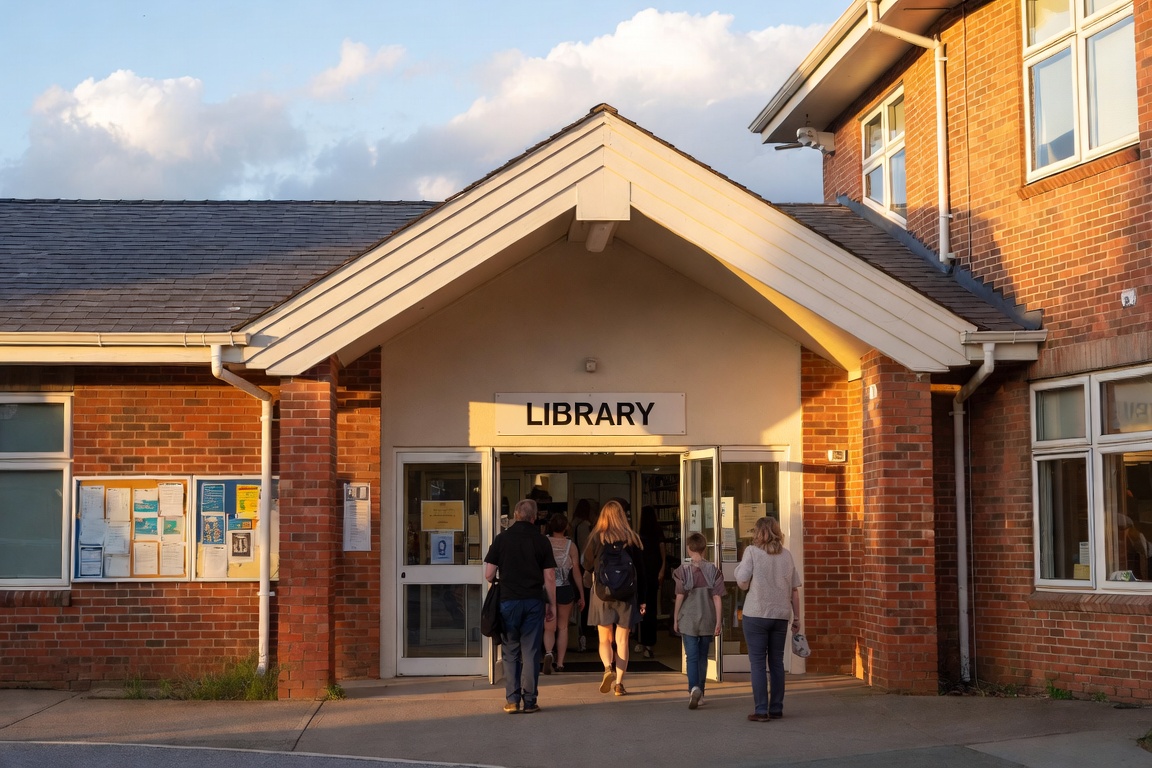
A library card — free to residents — is one of the most undervalued financial tools available. Modern library systems offer far more than books and DVDs. Most provide free access to digital platforms including Libby and OverDrive for e-books and audiobooks that would otherwise cost $10 to $15 each, Kanopy for streaming films and documentaries, LinkedIn Learning and other professional development platforms, consumer research databases like Consumer Reports and Morningstar, and local newspaper and magazine digital archives.
The average reader who uses their library system instead of purchasing books and audiobooks saves $200 to $500 per year. The streaming and database access adds meaningful additional value for households that would otherwise pay for those services.
Tool Libraries and Sharing Programs
Tool lending libraries exist in hundreds of cities and towns, allowing residents to borrow tools, garden equipment, and home improvement items just as you would borrow a book. This eliminates the need to purchase tools for occasional use — a significant savings for homeowners who need specific tools for one-time projects. Search “[your city] tool library” to find the nearest program.
Free Financial and Legal Clinics
Many bar associations operate legal aid clinics offering free consultations for income-qualifying residents. Law school clinics provide free legal services in areas like housing, consumer protection, and family law. Tax preparation assistance is available free of charge through the IRS Volunteer Income Tax Assistance (VITA) program for households earning under $67,000 — staffed by IRS-certified volunteers and offering the same accuracy as a paid preparer.
AARP Tax-Aide provides free tax preparation for households of any income level, with a focus on people 50 and older. This service alone saves $150 to $400 per year compared to paid tax preparation.
Community Gardens and Food Programs
Community gardens provide plot space for growing vegetables, often for a very low annual fee or for free, significantly reducing summer produce costs. Beyond gardens, many communities run gleaning programs where volunteers collect surplus produce from farms and distribute it free to the public. Farmers markets at the end of the day often sell remaining produce at steep discounts rather than hauling it back.
Free Classes and Skill Development
Community colleges and adult education programs offer free or very low-cost classes in subjects ranging from financial literacy to cooking to basic home repair. Community centers run classes in fitness, arts, and life skills that replace expensive studio memberships and private instruction. Many communities have created free skill-swap networks where residents exchange expertise — a plumber who needs a haircut trades with a hairstylist who needs a drain cleared.
Workforce and Employment Resources
The American Job Center network (run through the Department of Labor) provides free job search assistance, resume help, interview coaching, and in many cases skills training funded through federal workforce programs. If you are between jobs or looking to advance your career, these centers offer services that would cost hundreds of dollars from private career coaches.
How to Find What’s Available Locally
The best starting point is always 211 — calling or texting this three-digit number connects you to a local specialist who knows every available community resource. Your county government website and local library website both typically maintain directories of community services. Local Facebook groups and Nextdoor communities are also effective for discovering neighborhood-level resources that do not appear in official directories.
Disclosure: This site may receive compensation when you click on links or complete offers through our partners. Content is for informational purposes only and does not constitute financial advice.